

Top Reasons to Bring Your Pet to the Emergency Vet
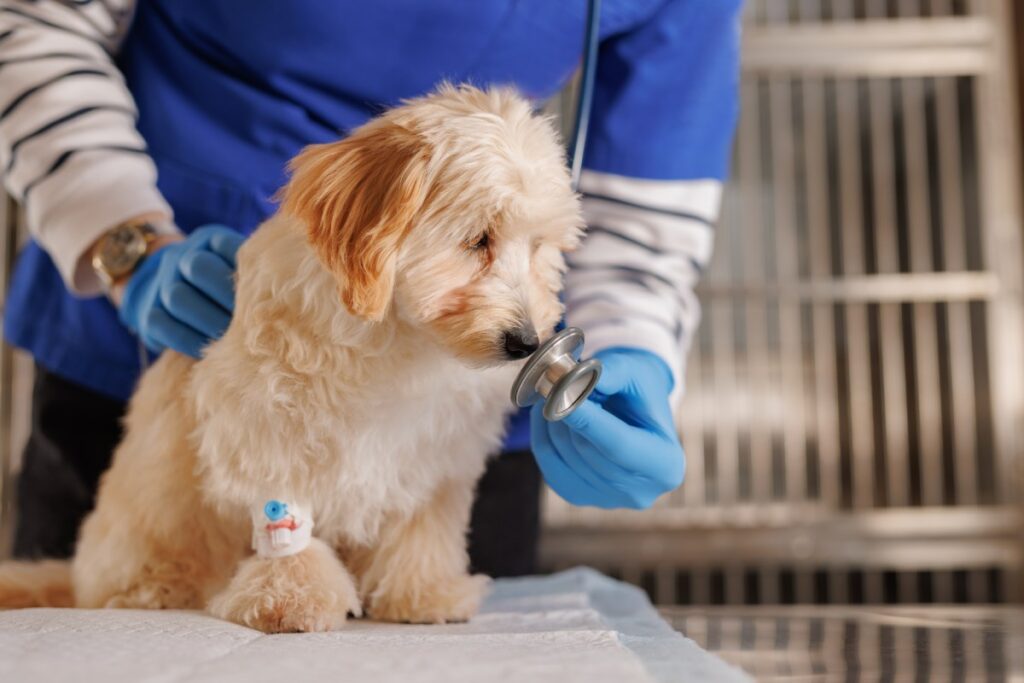
As a pet parent, you always try to reduce the risk of emergencies. However, pets are curious and resourceful creatures, which can sometimes land them in serious trouble. At McKinney Emergency Veterinary Clinic, we are fully equipped and prepared to provide exceptional, compassionate emergency care tailored to the needs of household pets in McKinney, TX, and the surrounding communities.
The following are the most common reasons pet parents pay their emergency veterinarian a visit:
Trauma or Severe Injury: Accidents can happen when you least expect them, whether at home, outdoors, or during a car ride. Serious injuries such as deep cuts, bleeding, or trauma from car accidents require immediate veterinary care. If your pet is severely injured, take care when moving them, as their injury can cause complications if not handled correctly. Gently slide your furry friend onto a flat surface and seek immediate care.
Bite Wounds or Lacerations: Bite wounds or lacerations can result from scuffles with other pets at the dog park or encounters with wild animals. Prompt treatment is necessary to avoid infection or complications. Depending on the extent of injury, treatment may range from sutures to surgical repair. Your furry companion will likely require pain relief medications and antibiotics, so make sure to contact us for immediate care.
Ingesting a Toxin: Pets are naturally curious and may accidentally ingest harmful substances. Common toxins are chocolate, grapes, raisins, onions, sugar-free treats, certain plants, household cleaners, pesticides, and medications. Signs of pet poisoning include vomiting, diarrhea, excessive drooling, tremors, seizures, disorientation, or collapse. If you suspect your pet has ingested a toxic substance, contact McKinney Emergency Veterinary Clinic for immediate, life-saving care.
Difficulty Breathing: Choking or respiratory distress is always considered a medical emergency requiring immediate care. Symptoms such as excessive panting, rapid breathing, gasping for breath, wheezing, coughing, or blue gums may indicate your pet is struggling to breathe. Difficulty breathing can result from heart disease, asthma, fluid around the lungs, or even choking on a foreign object. Immediate veterinary care can be life-saving for your furry companion.
Foreign Body Ingestion: Cats and dogs are curious, and some tend to swallow non-food objects, such as small toys, bones, socks, corn cobs, or even string. This can result in complications, including intestinal blockages, which can be fatal if left untreated. Symptoms of blockages include drooling, vomiting, abdominal pain, lack of appetite, and straining to defecate. Emergency surgery can be life-saving for your furry friend.
Problems with Urination: If your pet is experiencing difficulty urinating, displaying signs of pain or distress during urination, or producing blood in the urine, seek immediate veterinary care. These may be signs of infection or even a urinary blockage, which can quickly become life-threatening without prompt medical attention. An emergency vet visit can provide relief and help prevent further complications.
Neurological Problems: Neurological symptoms, such as seizures, sudden loss of balance, paralysis, disorientation, or difficulty walking, always require immediate veterinary care. These symptoms can result from stroke, spinal cord injury, or other neurological problems. Immediate care is needed to stabilize your furry companion and begin prompt treatment.
Sudden Illness: Symptoms such as persistent vomiting, diarrhea, loss of appetite, severe lethargy, or sudden collapse can indicate serious concerns, including pancreatitis, infections, or internal bleeding. Quick intervention can minimize the risk of complications and ensure the best possible outcomes. Trust your instincts and seek emergency care if you feel something is not quite right with your furry friend.
Tips for Handling Pet Emergencies
The following are some tips for handling pet emergencies:
- Stay Calm: Your pet will pick up on your fear and anxiety, so remain calm to provide reassurance and prevent panic or further injury.
- Safe Transport: Handle your pet gently and carefully. Use a blanket or towel to support injured limbs or secure your pet safely in a carrier to prevent further pain or injury.
- Call Ahead: Contact McKinney Emergency Veterinary Clinic while en route. Alerting our veterinary team will allow us to prepare for your arrival and provide your pet with immediate care.
Emergency Veterinary Care Near Me in McKinney, TX
If your pet requires emergency care, our dedicated team at McKinney Emergency Veterinary Clinic is here to help. We are committed to providing exceptional, compassionate care for our furry patients for prompt relief and the best possible outcomes. We understand how stressful pet emergencies can be and are here for you and your furry companion every step of the way.
If your pet experiences an emergency, please contact us at 469-820-0233. We are dedicated to providing the best possible care to household pets in McKinney, TX, and the surrounding communities.