

Emergency vs. Urgent vs. Routine Vet Care: How to Know What Your Pet Really Needs
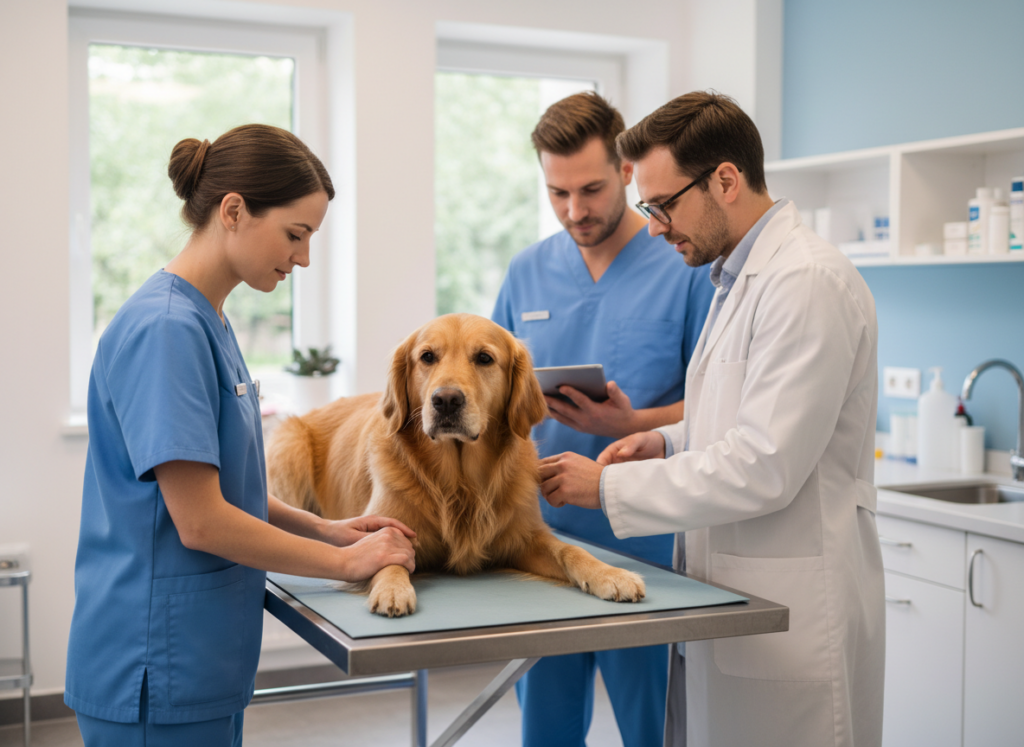
If you’re searching for an emergency veterinarian in McKinney, it’s usually because something feels wrong — and that matters.
Pet owners know their animals better than anyone. You notice subtle changes: breathing that sounds different, energy that isn’t quite right, behavior that doesn’t match “just a bad day.” Those instincts are important, and they’re often a helpful indicator in deciding when a pet should be seen by an emergency veterinarian.
We routinely tell pet owners to trust their instincts because pets can’t tell us when something feels off — but their people can. If your pet isn’t acting like themselves, seems uncomfortable, or is declining in a way you can’t explain, that uncertainty alone is a valid reason to seek emergency care.
Emergency veterinary hospitals are built for exactly these moments: when the signs are subtle, the cause is unclear, and waiting carries risk. Acting early often means simpler treatment, better outcomes, and less stress for both you and your pet.
Emergency vs. Urgent vs. Routine Vet Care: How to Know What Your Pet Really Needs
When your pet isn’t acting right, one of the hardest decisions is where to go. For pet owners in McKinney, the options often include routine veterinary care, urgent care clinics, and emergency veterinary hospitals — and the differences between them matter more than most people realize.
Understanding what each type of care is actually equipped to handle can save critical time, reduce unnecessary costs, and lead to better outcomes for your pet.
Routine Veterinary Care: Stable, Planned, and Preventive
Routine veterinary care is appropriate when your pet is stable, comfortable, and not showing signs of active illness or distress.
Examples include:
- Annual wellness exams
- Vaccinations
- Preventive screenings
- Chronic condition follow-ups
- Mild skin or ear issues
- Medication refills
- Mild lameness without pain or decline
Routine care works best when symptoms are slow-moving, predictable, and non-progressive.
Best option: Your primary care veterinarian
Timing: Scheduled appointment
Goal: Long-term health and prevention
Urgent Care: Limited Scope, Narrow Use
Urgent care clinics are often described as a middle ground between routine and emergency care. In reality, their role is much narrower than many pet owners expect.
Urgent care may be appropriate for:
- Minor wounds that are not bleeding heavily
- Small skin abscesses without fever or lethargy
- Mild limping without pain
- Uncomplicated ear or skin infections
Urgent care clinics typically do not have:
- Advanced or continuous oxygen delivery
- Overnight monitoring or hospitalization
- Full emergency drug formularies
- The ability to manage rapid deterioration
Because of these limitations, urgent care is best suited for localized, non-systemic problems — issues that are uncomfortable but unlikely to worsen quickly.
What Urgent Care Is Not Designed For
Certain conditions are frequently brought to urgent care clinics but often require transfer to an emergency hospital anyway.
These include:
- Vomiting and/or diarrhea, especially if persistent
- Allergic reactions, facial swelling, or hives
- Any breathing difficulty, including noisy or labored breathing
- Suspected foreign body ingestion
- Lethargy, weakness, or collapse
Even when initial testing is performed, urgent care clinics may lack the ability to intervene if a pet worsens. In those cases, time, money, and momentum can be lost before emergency care is ultimately needed.
This isn’t a failure of urgent care — it’s a limitation of the model.
Emergency Veterinary Care: Built for the Unknown
Emergency veterinary hospitals exist for one reason: pets don’t follow predictable timelines.
Emergency veterinarians are equipped to handle:
- Rapidly changing conditions
- Patients who require oxygen, advanced pain control, or intensive monitoring
- Cases where the diagnosis is unclear but deterioration is possible
You should seek an emergency veterinarian in McKinney immediately if your pet has:
🚨 Critical or Time-Sensitive Symptoms
- Difficulty breathing or increased respiratory effort
- Repeated vomiting or diarrhea
- Suspected toxin ingestion
- Collapse or sudden weakness
- Severe pain or distress
- Abdominal distension or non-productive retching
- Allergic reactions involving the face, throat, or breathing
Emergency hospitals provide:
- 24/7 doctor and technician coverage
- Advanced diagnostics and imaging
- Continuous monitoring and hospitalization
- The ability to escalate care immediately
Why Some “Urgent” Cases Aren’t Actually Urgent
From a medical standpoint, GI signs, breathing changes, and allergic reactions are unpredictable. A pet may appear stable — until they aren’t.
Conditions such as:
- Gastrointestinal foreign bodies
- Brachycephalic airway distress
- Progressive allergic reactions
can worsen rapidly and require oxygen, stronger medications, or continuous monitoring — capabilities that urgent care clinics are often not designed to provide.
When in doubt, emergency care is frequently the safer first stop, not the last resort.
A Practical Guide for McKinney Pet Owners
Ask yourself:
- Is my pet breathing completely normally?
- Is my pet alert, responsive, and behaving normally?
- Could this condition worsen quickly?
- Would my pet be safe overnight without monitoring?
If you hesitate on any of these questions, an emergency veterinarian is usually the right choice.
The Bottom Line
- Routine care is for stable, planned needs
- Urgent care handles a narrow range of non-progressive problems
- Emergency veterinary hospitals are built for uncertainty, escalation, and time-sensitive care
If you’re searching for an emergency veterinarian in McKinney, it’s usually because something doesn’t feel right — and trusting that instinct can prevent delays that matter.