

Can I Share Thanksgiving Foods With My Pets?
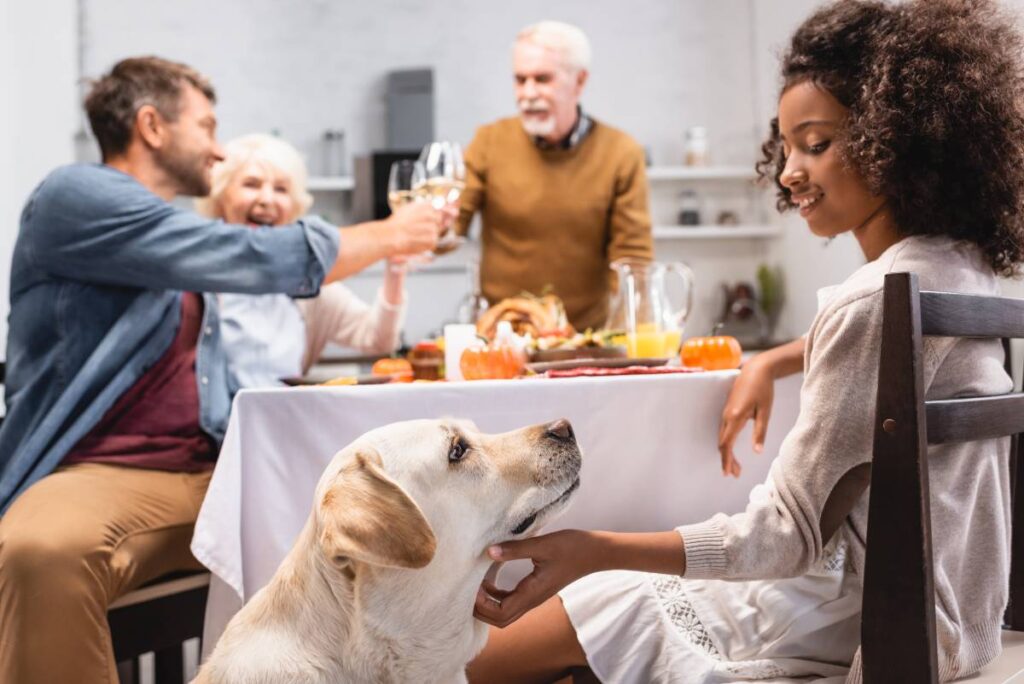
Thanksgiving is just around the corner, with plenty of reasons to be thankful, time spent with family and friends, and an abundance of yummy treats. As you prepare your holiday feast, it’s important to remember that accidental pet poisonings unfortunately soar during the holiday season due to the consumption of human foods. Our team at McKinney Emergency Veterinary Clinic has put together a guide outlining Thanksgiving staples you can share with your furry companion and those you should keep well out of reach. We wish you and your pets a safe and joyful holiday season!
What Are Thanksgiving Foods That Pose a Threat to Your Furry Friend?
The following are some foods that pose a holiday danger for pets:
- Bones: Turkey and chicken bones, even cooked ones, can splinter and cause tears or perforations in your pet’s digestive tract. Additionally, if swallowed whole, they can lead to intestinal blockages that can be life-threatening for your furry friend.
- Fatty Foods: Make sure to keep fatty foods, like turkey skin or gravy, out of reach. These holiday treats can lead to the inflammation of the pancreas, a serious and painful condition known as pancreatitis.
- Onions, Garlic, and Chives: These ingredients are often found in holiday dishes, such as stuffing and casseroles. These foods are highly toxic to your furry friend, leading to gastrointestinal upset and, in severe cases, red blood cell damage and anemia in both dogs and cats.
- Grapes and Raisins: Grapes and raisins are often used in holiday desserts, salads, and certain stuffing recipes. They are highly toxic to pets, with even the smallest amounts potentially leading to kidney failure.
- Nuts: Many nut varieties, such as walnuts, pecans, or macadamia nuts, can lead to gastrointestinal upset if ingested. Macadamia nuts are specifically toxic to dogs, potentially causing weakness, tremors, and vomiting.
- Desserts and Sweeteners: Sweet treats containing chocolate can be toxic to your furry companion. Desserts containing xylitol, a sugar substitute, can lead to serious complications, including vomiting, loss of coordination, seizures, a rapid drop in blood sugar, liver damage, and even death.
- Alcohol: Alcohol, when ingested even in the tiniest amounts, can be dangerous for your pet. It can cause diarrhea, vomiting, respiratory distress, and even seizures.
What Are Thanksgiving Treats That Are Safe for Your Pet?
Small portions of the following Thanksgiving treats are safe for your furry friend:
- Plain Turkey: Offer small amounts of cooked, unseasoned turkey meat, preferably breast meat, stripped of any skin and bone. This lean protein is a healthy and delicious holiday treat for your pet.
- Plain Sweet Potatoes: Boiled or baked sweet potatoes are a wonderful source of fiber, vitamins, and minerals for your pet. Make sure they are cooked without butter, salt, sugar, or spices like nutmeg, which can be harmful to your furry companion.
- Mashed Potatoes: Plain mashed potatoes are safe for pets when offered in moderation. Make sure to prepare your pet’s treat without any butter, milk, or seasonings.
- Pumpkin Puree: Canned pumpkin that is 100% pure (not pie filling) is an excellent source of fiber that supports healthy digestion. Mix a spoonful into your pet’s regular food for a yummy, healthy holiday treat.
- Cooked Green Beans: Plain steamed or boiled green beans make a great, low-calorie snack for both dogs and cats. Small amounts of cooked green beans are an excellent source of fiber and potassium, boosting your pet’s muscle and nerve function.
- Eggs: Unseasoned scrambled or hard-boiled eggs are an excellent source of protein and can also help settle an upset stomach. Once again, it’s important to note that, as with other foods, eggs must be cooked without butter, oil, salt, or other seasonings to ensure they are safe for your pet.
What Should You Do if Your Pet Ingests Something Toxic?
If you suspect your furry companion has ingested something toxic, it’s important to contact McKinney Emergency Veterinary Clinic for emergency care. Do not try to induce vomiting unless specifically instructed to do so by one of our veterinary professionals, as this can cause more harm, depending on the ingested substance. Make sure to follow the instructions we provide until we see your furry companion.
Emergency Veterinary Care Near Me in McKinney, TX
Our veterinarians and team at McKinney Emergency Veterinary Clinic wish you and your furry companion a safe and happy holiday season. In the event your feline or canine companion ingests a toxin, we are here to provide state-of-the-art emergency care. You can count on our compassionate team for exceptional, personalized attention, ensuring the best possible outcomes for your furry family member.
If your pet experiences an emergency, please contact us at 469-820-0233. We are dedicated to providing the best possible care to household pets in McKinney, TX, and the surrounding communities.